



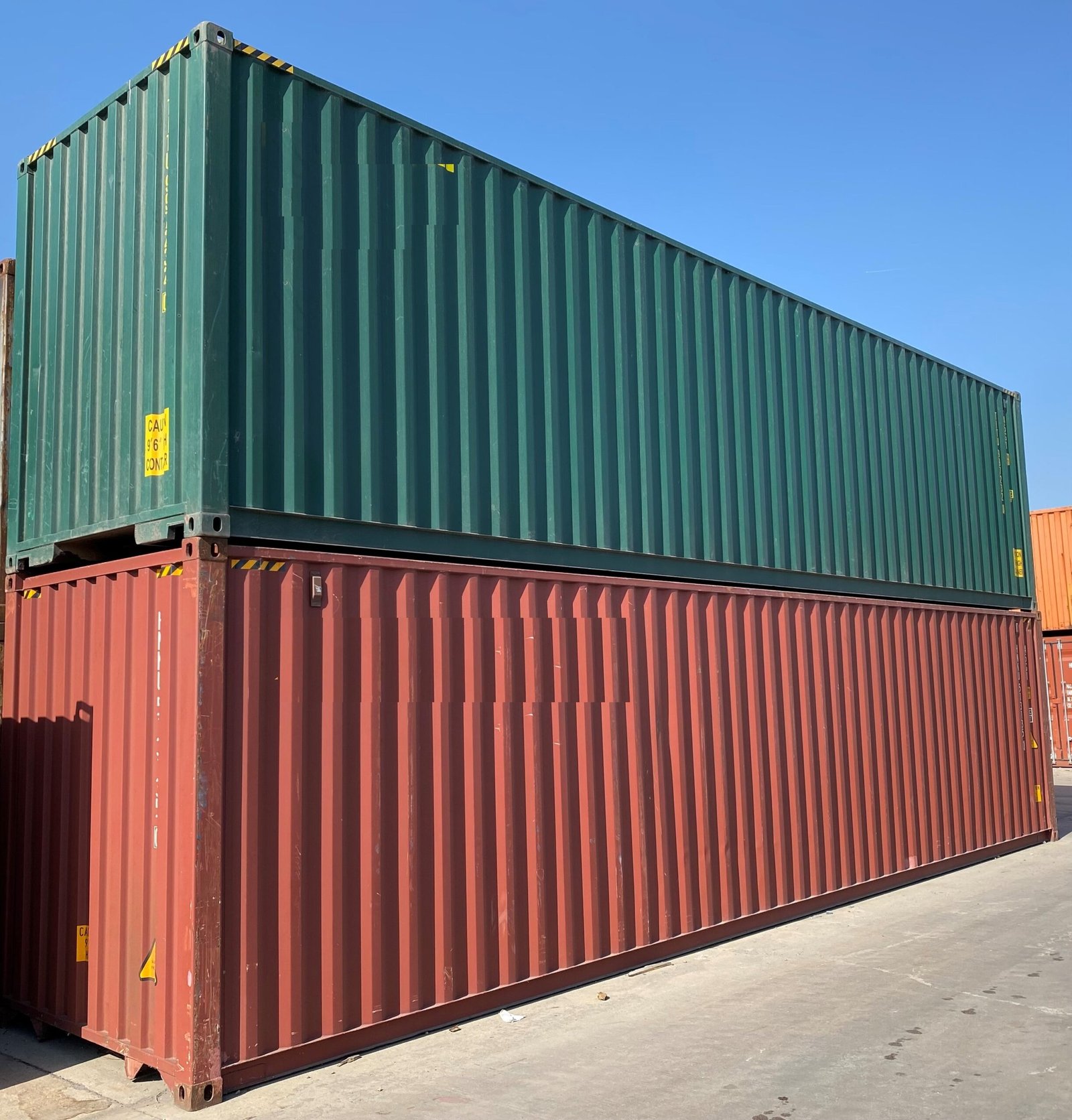
20 ft vs 40 ft container: which one to choose
20 ft and 40 ft shipping containers are the most common formats for storage, transport and conversions. The right choice depends on what you store, the space on your site and your transport budget.
Dimensions at a glance
| 20 ft standard | 40 ft standard | 40 ft high cube | |
|---|---|---|---|
| External length | 6.06 m | 12.19 m | 12.19 m |
| External width | 2.44 m | 2.44 m | 2.44 m |
| External height | 2.59 m | 2.59 m | 2.90 m |
| Internal volume | ≈33 m³ | ≈67 m³ | ≈76 m³ |
When a 20 ft container is the better choice
- You have limited space or narrow truck access.
- You store tools, building materials or archives.
- You want lower transport and unloading costs.
When a 40 ft container pays off
- You have large volumes or long items (pipes, profiles, furniture).
- The price per cubic metre is usually lower than for a 20 ft.
- For tall items, the high cube version gives about 30 cm more height.
Don’t forget transport and placement
A 40 ft container needs a longer truck and more room to manoeuvre. Before ordering, check the access road and the unloading spot; we can advise based on a few photos of the site.
See the available models: 20 ft shipping container and 40 ft shipping container.
Need a container?
Call us or request a quote online. You get one offer for the container, transport and placement.
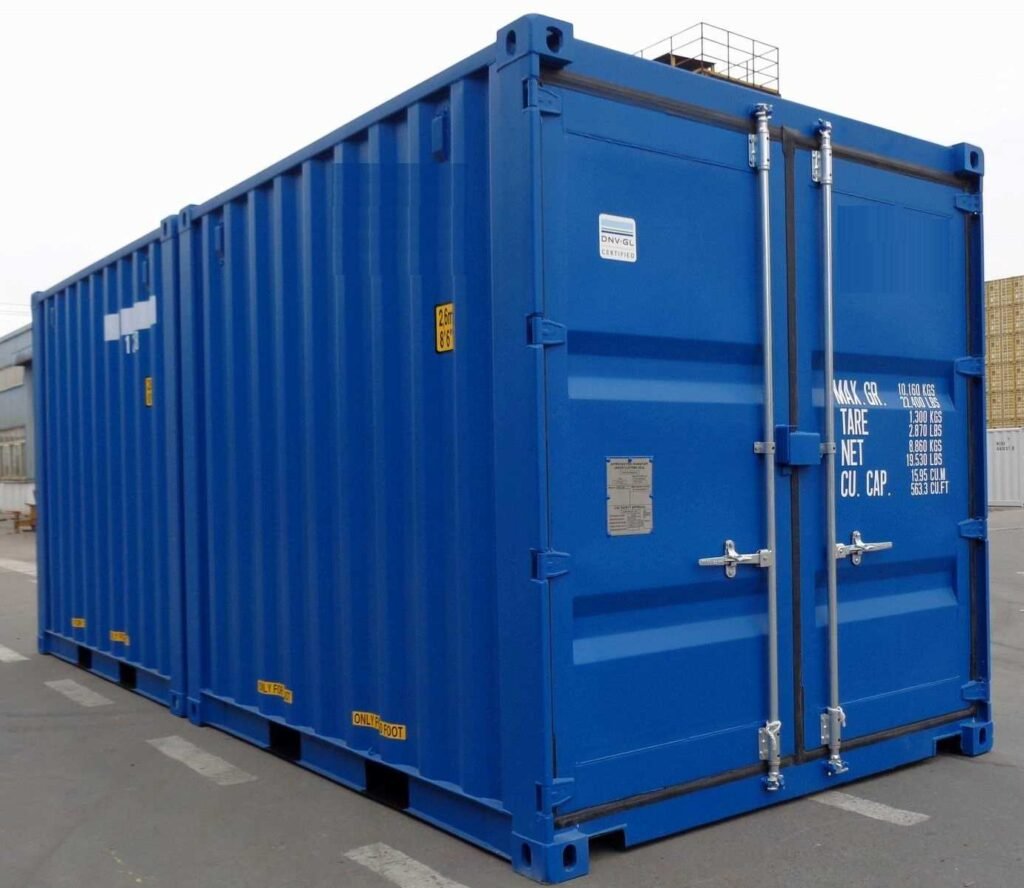
What one-trip, cargo-worthy and IICL mean for containers
A simple guide to shipping container grades: one-trip (almost new), IICL, cargo-worthy and storage-grade containers.
Read the guide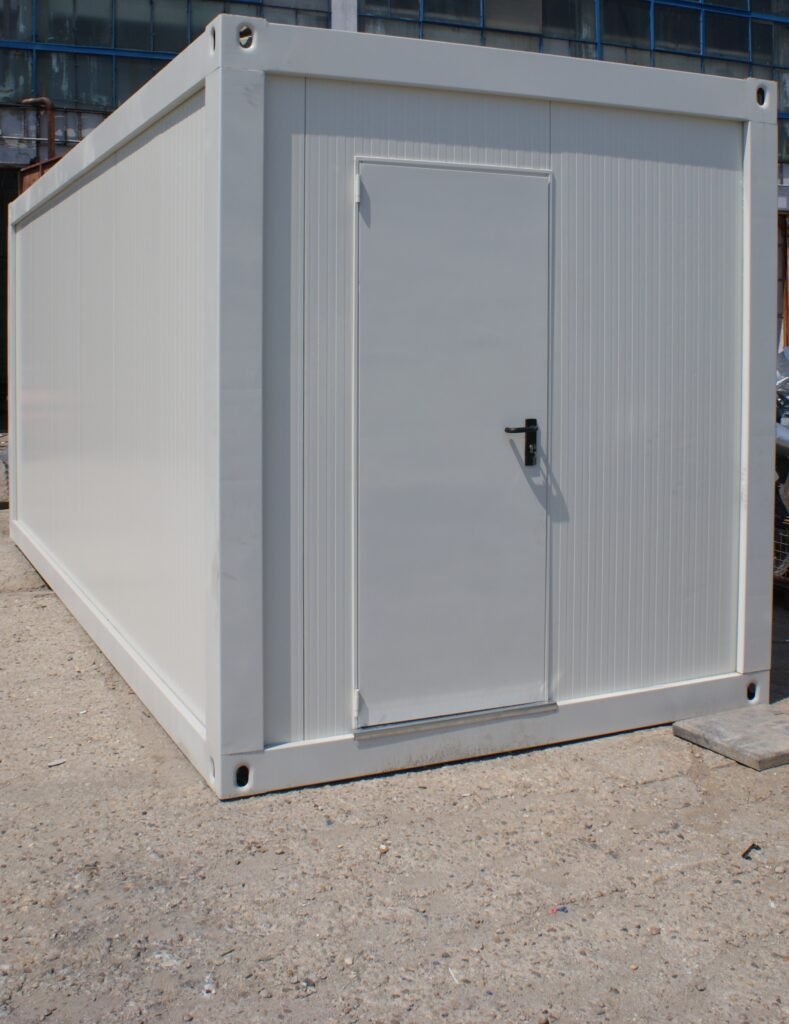
Do you need a permit for a container in Germany?
When a container on your land may need a building permit in Germany: use, size, duration, the state building code and which documents we provide.
Read the guide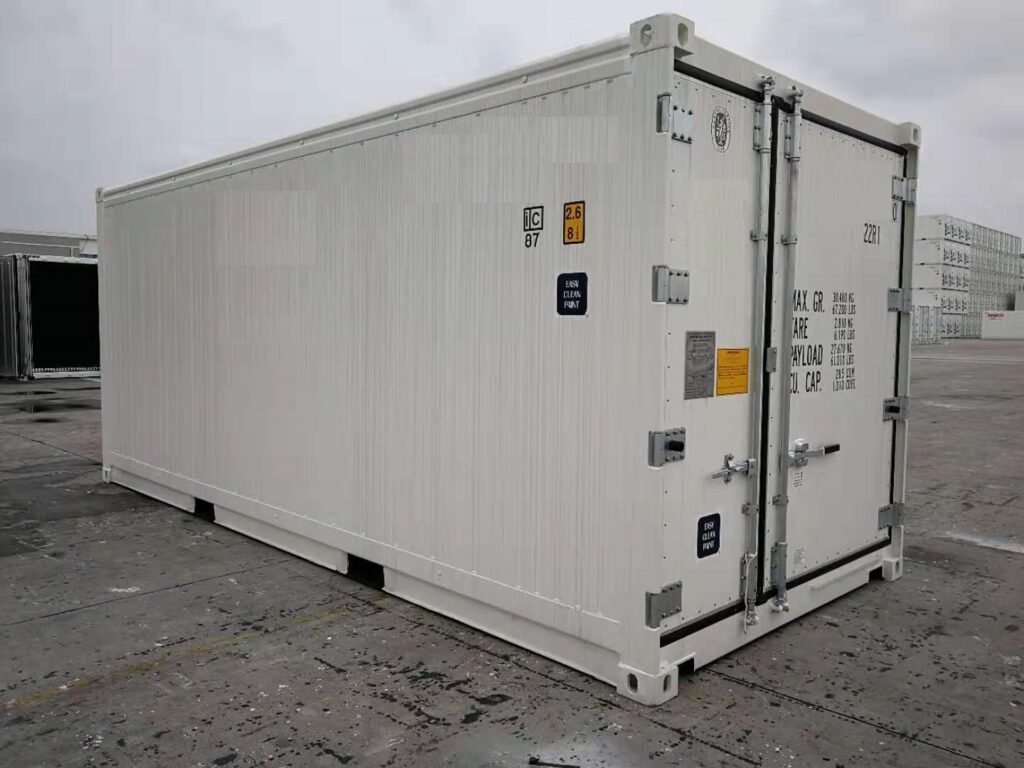
How to prepare the ground for container delivery
Level ground, support under the corners and access for the delivery truck: the simple steps before a shipping container is delivered.
Read the guide